商戰故事我們看的多了,但能把家族醜聞演成歐洲最大宮鬥劇的也只有 GUCCI 家族了。
The business world has seen many stories of corporate warfare, but only the Gucci family managed to turn their family scandal into Europe's greatest palace intrigue drama.
這則故事堪稱真人版的冰與火之歌:權力遊戲,女色、暗殺、非法交易、奪權上位、監獄進進出出,除了沒有龍,其他元素一應俱全。
The story is like a real-life "Game of Thrones": filled with sex, assassination, illegal dealings, power struggles, and prison sentences. It has all the elements except dragons.
大家平時在網路上購物的時候有沒有留意過,在各大品牌的他們的官網上面,總有那麼一欄是專門來介紹品牌創始人那些歷史。他們都以自己創始人的故事沾沾自豪,由創始人的人生故事作為豐富的文化遺產,設計出一系列後面的產品。但是唯獨 GUCCI 這一個品牌的網站上,壓根看不見 GUCCI 家族當中任何一個家族成員的名字。
Have you ever noticed while shopping online that most luxury brands' official websites have a section dedicated to introducing their founders' history? They take pride in their founders' stories, using these life stories as rich cultural heritage to inspire their subsequent product designs. However, Gucci's website is unique - you won't find the name of any Gucci family member mentioned anywhere on it.
Chapter 1:GUCCI 的起源——從 Savoy 酒店到佛羅倫斯
(資料來源:myjewelryrepair.com)
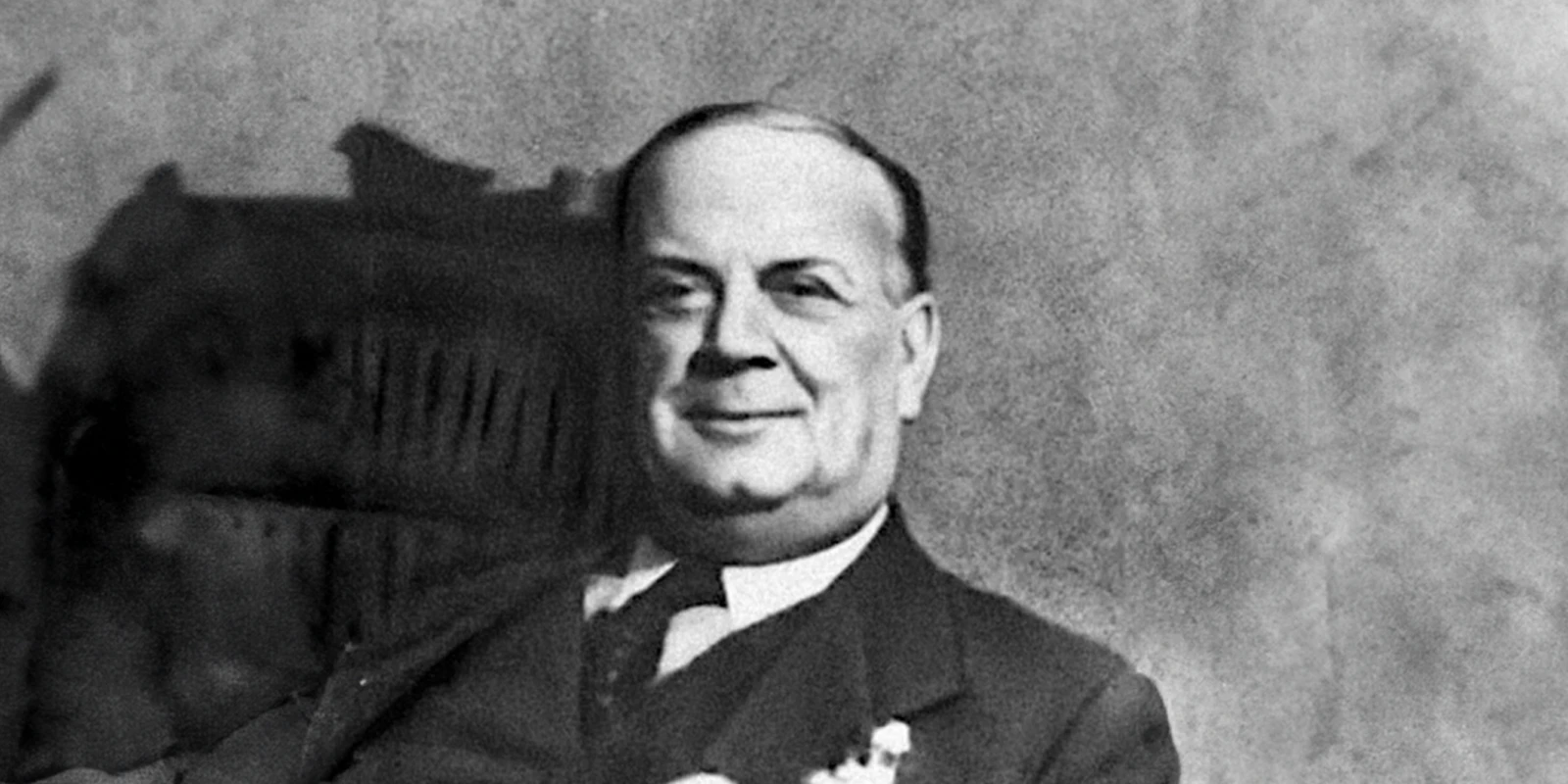
一切的源頭都要從一個年輕人開始說起。這個年輕人叫做 Guccio Giovanbattista Giacinto Dario Maria Gucci,一聽這個年輕人的名字就不同凡響,自帶時尚元素。但是業界人士都叫他 Guccio Gucci。
Everything traces back to a young man named Guccio Giovanbattista Giacinto Dario Maria Gucci. Just by hearing his name, you can tell he was destined for fashion. However, within the industry, he was simply known as Guccio Gucci.
Guccio Gucci 在 1881 年 3 月 26 日出生於佛羅倫斯,來自一托斯卡尼家庭,父親加布里埃洛(Gabriello)是來自聖米尼亞托的皮革工匠。1899 年,仍是青年的 Gucci 在倫敦 Savoy 酒店工作,人們對其早年的生活環境以及搬到倫敦的理由知之甚少,但可確定的是他受到來自上流階層的酒店客人和 H.J. Cave & Sons 等皮具品牌之影響後回到佛羅倫斯,開始製作旅行包和配飾。
Guccio Gucci was born on March 26, 1881, in Florence, coming from a Tuscan family. His father, Gabriello, was a leather craftsman from San Miniato. In 1899, while still a young man, Gucci worked at the Savoy Hotel in London. Little is known about his early life or why he moved to London, but it is certain that the influence of the hotel's high-class guests and brands like H.J. Cave & Sons inspired him to return to Florence and start making travel bags and accessories.
突然一個念頭在他的心中萌芽,我爸是皮革工匠,他的老家又是一個優質的皮料工貨地,我還在這幫有錢人拎包幹嘛?我應該做源頭廠商,給這些有錢人做包包。所以他立刻辭職了。
One day, a thought took root in his mind: "My father is a leather craftsman, and his hometown is a prime location for sourcing quality leather. Why am I here, carrying bags for rich people? I should be supplying them with bags." So, he immediately quit his job.
苦於當時沒有 google 和 Instagram,Gucci 只能慢慢的摸索,開始自己的漫漫創業路。一開始他只是在家鄉聚集了一批手工藝匠人來推出一些包包配飾,賣給當時的馬術師,但是他的野心顯然是不顯於此的,但凡他只要有一些盈餘,他都會花重金去請更好的師傅,從而產生出高優質的皮具。
Lacking Google and Instagram at the time, Gucci had to figure things out on his own, embarking on his long entrepreneurial journey. At first, he gathered a group of local artisans to create bags and accessories, which he sold to equestrians. However, his ambition clearly didn’t stop there. Whenever he had some profit, he would invest heavily in hiring better craftsmen, which led to the creation of premium, high-quality leather goods.
通過 Gucci 先生對自己品牌不停的改善,這個品牌所生產出來的產品,業績也就節節攀升,他們的名氣也慢慢的在上流社會當中流傳開來。經過 11 年的資本積累和韜光養晦,在 1921 年的時候,也就是 Gucci 大哥四十歲的時候,他終於在佛羅倫斯開了第一家 Gucci 的專賣店。Gucci 對於皮革制造技藝的苛刻追求,讓品質上乘的 GUCCI 包包和配飾一下子就成爲了上流社會爭相追捧的爆款單品。有了爆款的單品,他們順勢在米蘭和羅馬開了很多家店鋪。
Thanks to Gucci’s continuous improvement of his brand, their products gained increasing recognition. Their reputation began to spread among the upper classes. After 11 years of capital accumulation and lying low, in 1921, at the age of 40, Gucci finally opened the first Gucci boutique in Florence. His relentless pursuit of craftsmanship perfection in leather goods made Gucci bags and accessories instant hits among the upper class. With these popular items, the company soon opened more stores in Milan and Rome.
Chapter 2:GUCCI 黃金時代——雙 G、帆布與女神加持
(資料來源:gucci.com)
品牌業績隨後呈指數性上升。1933 年,Gucci 非常有商業頭腦的大兒子 Aldo 心想:「我們的產品賣得這麼好,那我們應該有設計一個更便於流傳的標識,好讓品牌推廣得更遠。」於是他就用自己父親名字縮寫的兩個 G,扣在了一起,創造出如今傳世經典的雙 G 標誌。
The brand’s performance skyrocketed. In 1933, Gucci’s eldest son, Aldo, who had a keen business sense, thought, "Our products are selling so well, we should have a logo that’s easier to spread so more people can recognize us." So, he intertwined the two Gs from his father’s name, creating the now-iconic double G logo.
然而好景不常,隨著第二次世界大戰爆發,全球局勢陷入動盪。戰爭期間因物資緊張,就使得很多的牌子無法得到很好的原料,很多奢侈品品牌因資源短缺相繼倒閉,GUCCI 也面臨同樣的情況。
However, the good times didn’t last. The global environment was far from smooth sailing as the world soon faced World War II. During the war, materials were scarce, and many luxury brands collapsed due to the lack of resources. GUCCI also faced this challenge.
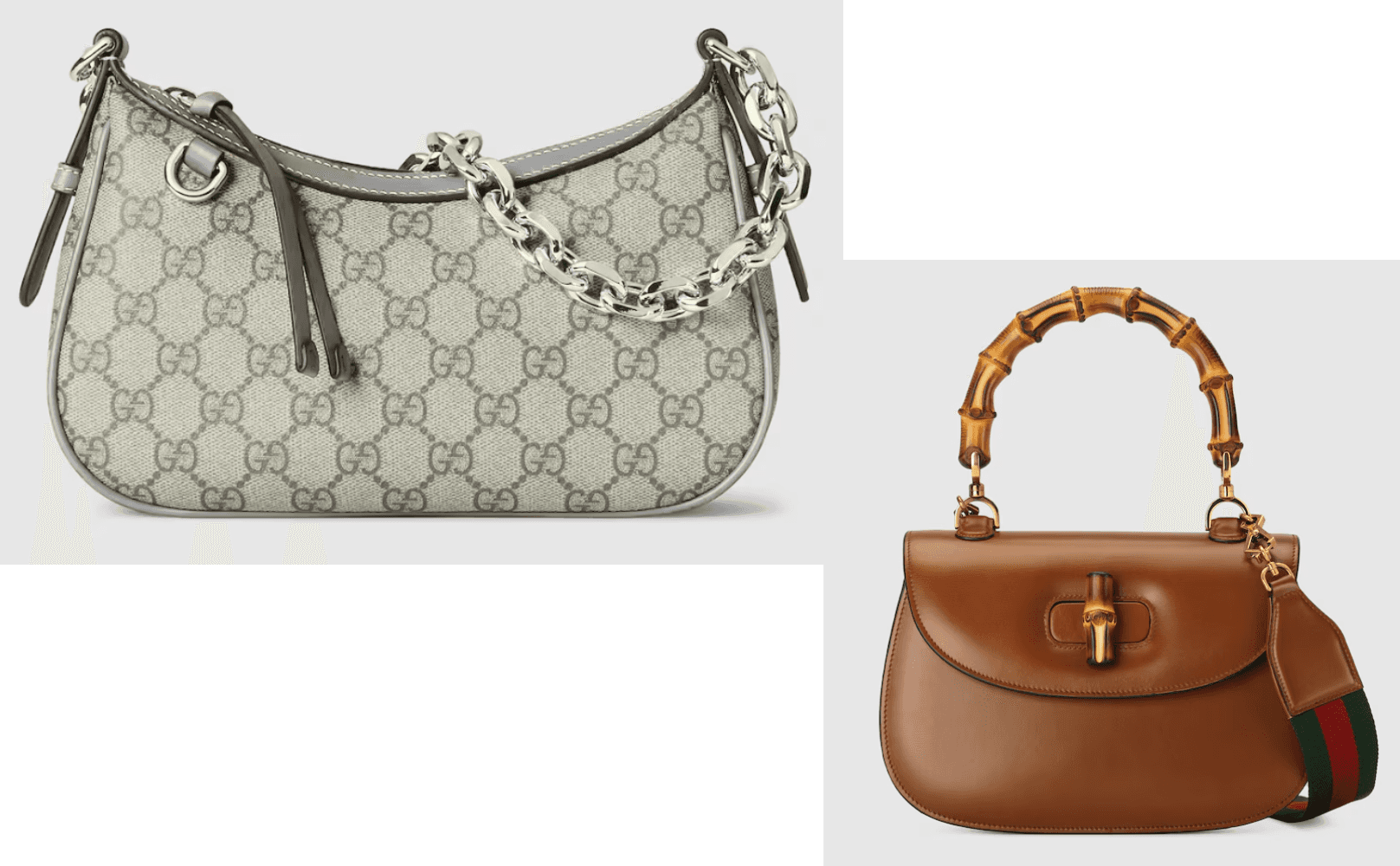
Aldo 在二戰時腦筋轉的非常的快,一看皮革供應不足,就立馬把眼光轉向了帆布,巧妙的利用印滿了 monogram,再加上紅綠條紋的搭配,成功把一場危機轉變成了轉機,不僅讓品牌度過了難關,更打造出風靡全球的新一代熱門商品。
Aldo, quick-witted during the war, noticed the leather supply shortage and immediately turned to canvas. He cleverly utilized monogram prints and combined them with red and green stripes, turning a crisis into an opportunity, not only surviving the tough times but also creating new hit products.
同樣的巧思還體現在 GUCCI 大名鼎鼎的竹節包,竹節的手柄是當時物資短缺的一個應急產物,沒想到就變成這個品牌到現在最著名的標示之一。
The same ingenuity can be seen in GUCCI’s famous bamboo-handled bags, where the bamboo handle was initially an emergency solution due to the material shortage. Unexpectedly, it became one of the brand’s most iconic features.
跟當時很多爆火的品牌一樣,GUCCI 也搭上了好萊塢黃金時期的快車,他找到了黃金時期的諸多演員名流來穿他們家的衣服、使用他們家的皮具,甚至還直接用這些大人物來幫他們的皮具命名。
Like many other booming brands of the time, GUCCI caught the wave of Hollywood’s Golden Age. The company collaborated with many Golden Age actors and celebrities, who wore their clothes and used their leather goods. GUCCI even named their products after these high-profile individuals.
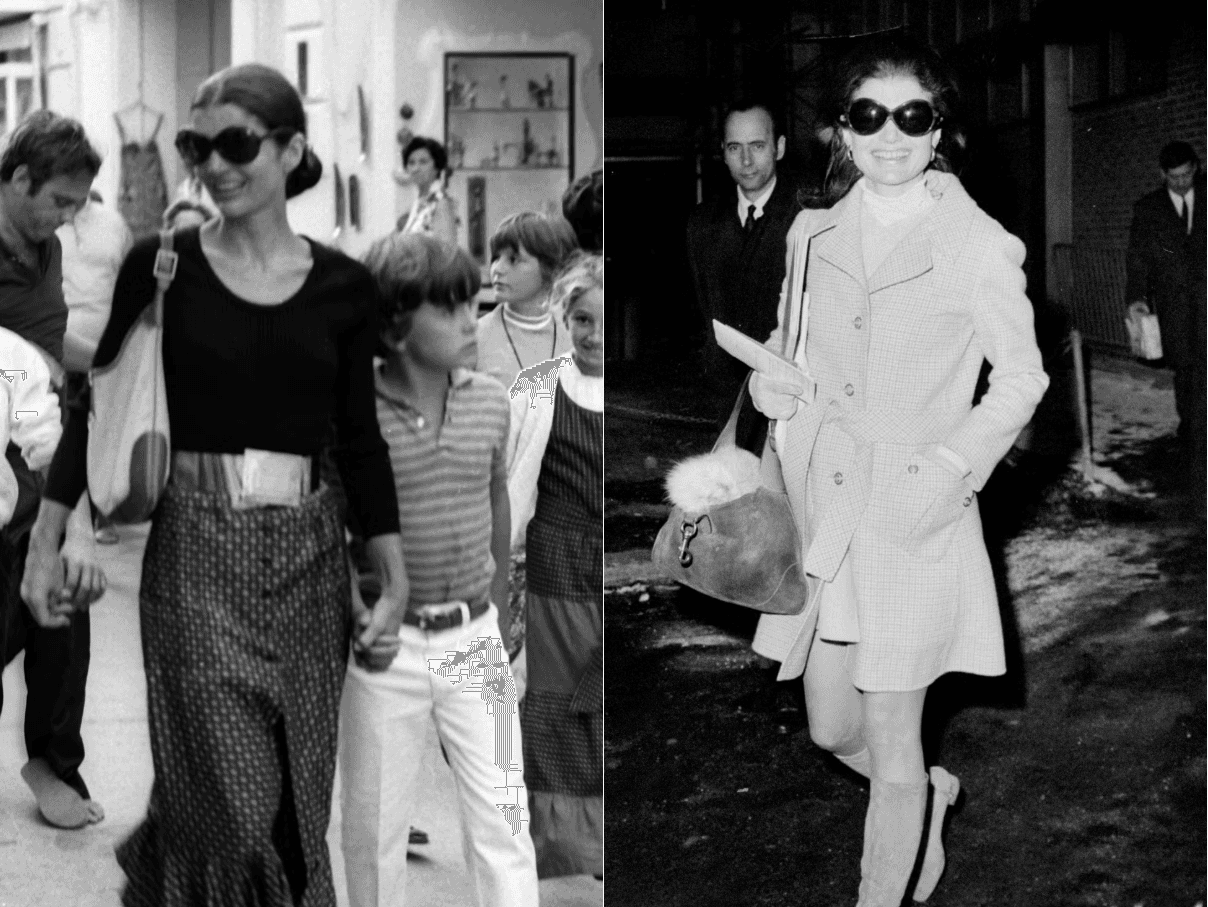
那這些大人物裏面也有我們耳熟能詳的一些人,比如說像 Jackie 肯尼迪,還有著名的摩洛哥王妃。
Some of these celebrities are people we know well, such as Jackie Kennedy and the famous Moroccan princess. Jackie Kennedy, as the U.S.
(資料來源:gettyimages.com)
當時的美國第一夫人,也是第一批 fashion icon,史上風向標語般的人物。Jackie 不論去到哪,在街拍照片中總能看到她背著這個包。而且有時候她會拿這個包來擋住狗仔隊的鏡頭,成為了免費的宣傳資料。GUCCI 家族一看,這麼好的商機我怎麼可能錯過,於是在 1964 年正式把這款包的名字從 Constence 改成了 Jackie。
First Lady and one of the first fashion icons in history, was a trendsetter. Wherever she went, she was often photographed with a GUCCI bag. Sometimes, she even used the bag to block the paparazzi, making it free publicity for the brand. The Gucci family seized this great opportunity, and in 1964, officially renamed the bag from "Constance" to "Jackie."
隨後他們還把眼光放向皇室,蹭了皇室的流量。1960 年,摩納哥王妃 Grace Kelly 以及她的老公 Rainier 三世就出現在了位於米蘭那家店,王妃看中了一個竹節包, Gucci 家族堅持要送王妃一個禮物。他們以 Grace Kelly 最愛的花卉主題為靈感,為他專門訂制了一條集合了四十三種植物昆蟲、三十七種顏色的花卉絲巾。
They also set their sights on royalty and tapping into the influence of royal families. In 1960, Grace Kelly, the Princess of Monaco, and her husband, Prince Rainier III, visited Gucci’s Milan store. The princess was drawn to a bamboo-handled bag, and the Gucci family insisted on gifting her something special. Inspired by Grace Kelly’s love of floral themes, they custom-made a silk scarf featuring 43 species of plants and insects in 37 colors just for her.
GUCCI 的業務範圍包括箱包、鞋履、配飾,更是在 60 年代開設了成衣系列。這個家族企似乎一切都在向著欣欣向榮的方向發展,但天有不測風雲,1953年,GUCCI 家族的命運就急轉直下。
Gucci’s business expanded to include bags, shoes, and accessories, and in the 1960s, they even launched a ready-to-wear line. The family business seemed to be flourishing in every way, but then tragedy struck. In 1953, the Gucci family’s fortune took a sharp turn.
老 GU 在那年離開了他們,沒有了老 GU,那正是家族的老爺子一離世,本來表面一派和諧的兄弟跟妯娌之間就立馬暗流湧動,為了就是錢。
That year, the elder Gucci passed away, and with his death, the once seemingly harmonious relationships among the brothers and their wives began to crack, as greed over money set in.
Chapter 3:點燃宮鬥的火苗——GUCCI 的權力交替
(資料來源:nssmag.com)
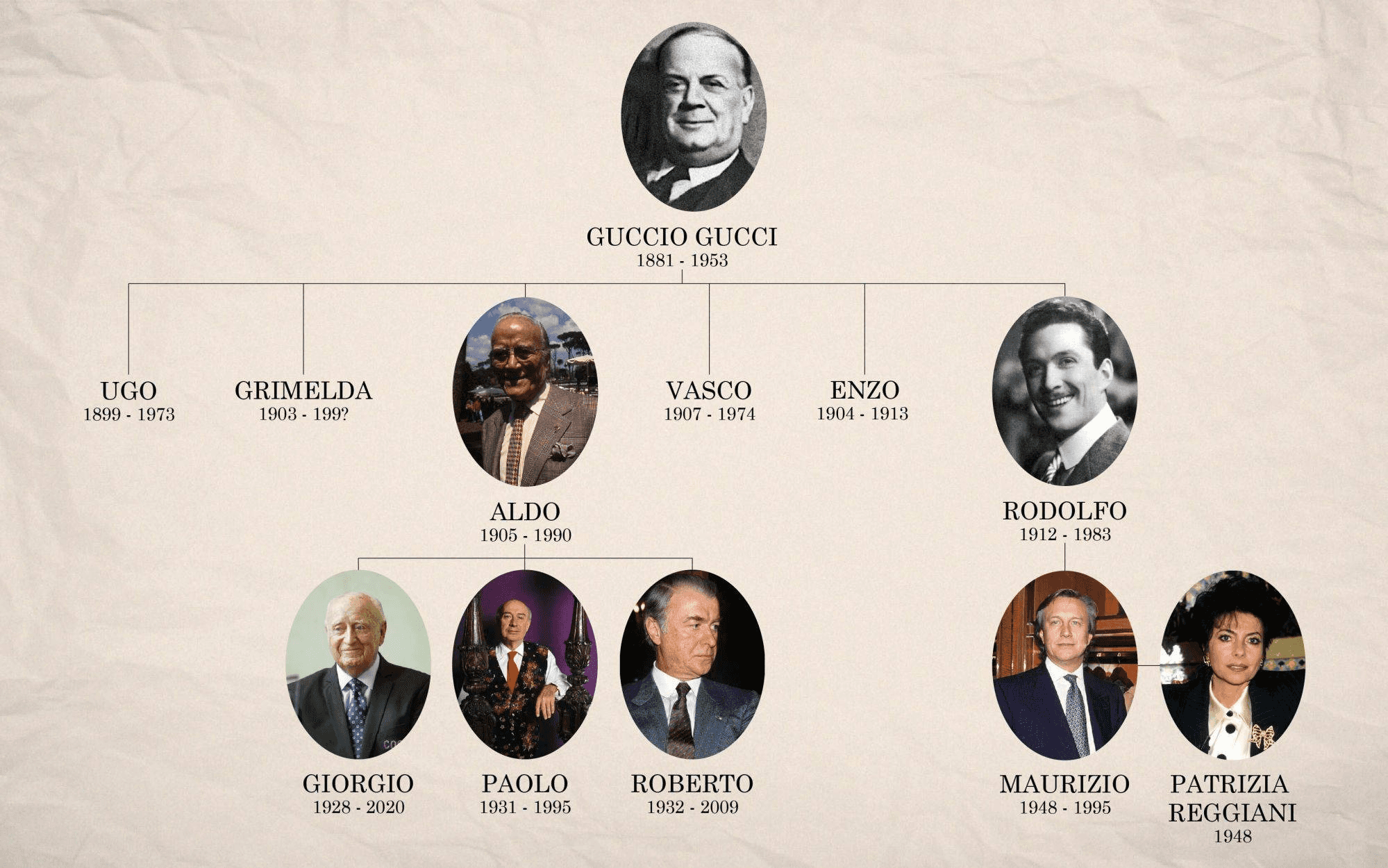
老 Gu 在立遺囑的時候,只是把財產均分給了三個兒子,也就是我們今天要說的 Aldo、Vasco、和 Rodolfo,這三位,恩怨也從這裏開始了。
When the elder Gucci drafted his will, he evenly divided his assets among his three sons—Aldo, Vasco, and Rodolfo. This is where the conflicts began between them.
大兒子 Aldo 是一個行銷天才,商業嗅覺非常靈敏,不僅在二戰時創造了雙 G 老花以及竹節包來幫助品牌度過難關,而且也是他一直堅持這個品牌要往海外擴張,而不只局限於歐洲市場。
The eldest son, Aldo, was a marketing genius with a keen sense of business. Not only did he create the iconic double G logo and the bamboo-handle bag during World War II to help the brand survive difficult times, but he was also the one who insisted that the brand expand overseas, rather than being confined to the European market.
在 GUCCI 往美國擴張的期間,他一針見血了,就發現了美國市場上面有一個缺口。美國人當時非常喜歡穿樂福鞋,但是市場上居然清一色的全是棕色的樂福鞋。而沒有黑色的樂福鞋。
During Gucci’s expansion into the United States, Aldo quickly identified a gap in the market. At the time, Americans loved wearing loafers, but surprisingly, the market was dominated by brown loafers—there were no black ones.
Aldo 看到這個商機,把市面上這種棕色的樂福鞋變成了黑色,並加上了就是馬銜扣,變成了 Gucci 最標誌性的單品,一下子就征服了美國市場。它的這種嶄新的設計讓原本是以休閒著稱的樂福鞋正式了起來。
Seeing this opportunity, Aldo introduced a black version of the loafer and added the horsebit detail, which became one of Gucci’s most iconic items. This innovation quickly captured the American market. His fresh design elevated loafers, traditionally seen as casual footwear, into something more formal.
Aldo 其實是一個非常適合接管家族企業的人,有野心,有眼光,有遠見,他曾經說過:「低價帶來的甜頭轉瞬即逝,而品質低劣留下的苦果卻讓人久久難忘。」
Aldo was, in fact, a highly suitable candidate to take over the family business. He had ambition, vision, and foresight. He once famously said: “The bitterness of poor quality is remembered long after the sweetness of low price has faded from memory.”
從這句話裏們就可以看出他對於品牌產品品質的把控,以及珍惜品牌的口碑。
From this statement, we can see Aldo’s strict control over product quality and his deep appreciation for the brand’s reputation.
奈何老 GU 沒有按兒子的能力分配家產,而是一刀切的把他的家產平均分給他三個兒子。他的本意就是想避免兄弟之間的一個財產之爭,但恰恰是因爲他的這個舉動而釀成了之後的悲劇。
Unfortunately, old Gu didn’t distribute the family estate according to his sons’ abilities, but instead divided it equally among the three. His intention was to prevent any conflict between the brothers over inheritance, but ironically, this very action laid the groundwork for future tragedy.
其實問題並非出在 Gucci 的第二代——阿爾多(Aldo)、瓦斯科(Vasco)與魯道夫(Rodolfo)身上。儘管三兄弟性格迥異,但之間還是比較相親相愛的。
In fact, the problem didn’t occur with Gucci’s second generation—Aldo, Vasco, and Rodolfo. Despite the differences in their personalities, they got along fairly well.
二兒子 Vasco 是個沒有什麼野心的人,生前,一直當著富貴閒人,死後也沒有子嗣,所以他的遺孀就把他繼承來的 1/3 家產平均的賣給了大兒子和三兒子。那故事進行到這裏,大哥跟小弟個別擁有了 50% 的家產。
Vasco, the middle son, was not particularly ambitious. Throughout his life, he lived in comfort and luxury. After his death, with no heirs of his own, his widow sold Vasco’s third of the estate, dividing it equally between the eldest brother, Aldo, and the youngest, Rodolfo. By this point, the two remaining brothers each held 50% of the family fortune.
相較之下,小弟 Rodolfo 本人長得很帥,所以一心沉醉於演藝事業的發展,對於家族企業的管理處於佛系狀態,他更愛自己躲在暗房裡剪輯亡妻的生前的影片來弔念她。
Rodolfo, on the other hand, was more focused on his personal life, particularly the entertainment industry, as he was quite handsome and enamored with acting. He was not heavily involved in managing the family business and took a more hands-off, relaxed approach. Instead, he preferred to spend his time in his darkroom, editing films of his late wife as a way to mourn her.
Chapter 4:GUCCI 宮鬥史與家族終焉
第一代打江山,第二代和平共處,發生問題的當然就是第三代。
The first generation builds the empire, the second generation keeps the peace, so naturally, it's the third generation where the problems arise.
GUCCI 末代掌門:Maurizio

(資料來源:wwd.com)
我們在這裏先簡稱他為毛毛。毛毛從小乖巧懂事,安靜沈穩,又是個美男子,但是知子莫如父,他爸爸一眼就能看出毛毛平靜的代表下暗藏著波滔洶湧的野心,所以他爸爸在立遺囑時特地吩咐了律師,把自己手中 50% 的股份給他兒子,並要求毛毛不要再去爭奪更多的股份。
Let’s call him “Mao Mao” for short. From a young age, Mao Mao was obedient, sensible, quiet, and composed—a true gentleman. However, as the saying goes, "a father knows his son best." His father could see through Mao Mao’s calm demeanor and recognize the fierce ambition lurking beneath the surface. As a result, when drafting his will, his father specifically instructed the lawyer to leave his 50% share of the company to Mao Mao, with the stipulation that Mao Mao should not seek to claim any more of the company's shares.
1985年,毛毛的爸爸去世了。年僅 35 歲的他繼承了爸爸名下的所有遺產。大家注意,估計正值 GUCCI 的鼎盛時期,這讓毛毛成為了整個歐洲最有權有勢的新貴之一。
In 1985, Mao Mao’s father passed away. At just 35 years old, Mao Mao inherited all of his father’s estate. Pay attention here—at the time, this was during a period of great prosperity for Gucci, making Mao Mao one of the most powerful and wealthy young nobles in all of Europe.
新官上任三把火,毛毛這個後浪意識到時代的浪潮是不斷在推進的,為了讓 GUCCI 繼續保持在領跑者的位置,他想要大刀闊斧的改造以前的企業形象,撤換掉 GUCCI 的設計團隊,從而重新塑造品牌形象,改頭換面。
As the new leader, Mao Mao was eager to make his mark. He realized that the tides of change were rapidly advancing, and in order to keep Gucci at the forefront of the luxury market, he wanted to overhaul the company’s image. His plan was to replace the old design team and completely reshape the brand’s identity.
但也許是他從小被壓抑了很久,這突如其來的權力與財富讓他沖昏了頭。他偏執的小腦瓜認定只有全權掌握了公司,才能夠把他的改造計畫推進下去。為了達到這個目的,毛毛決定不計代價,把還握在叔叔 Aldo 手中的另外 50% 股權給搶奪過來。
However, perhaps due to years of feeling suppressed, the sudden rush of power went straight to his head. His obsessive mindset convinced him that the only way to fully implement his grand transformation plan was to take full control of the company. To do that, he needed to seize the remaining shares held by his uncle, Aldo.
那全權掌管 GUCCI 何止是100%的利潤。簡直是滔天的誘惑,這讓毛毛不僅敢踐踏人間的一切法律,而且還會漠視親情。於是他就找來了另外一位坑爹高手,也就是 Aldo 自己的親兒子 Paolo。
Total control of Gucci was worth far more than just a 100% profit margin. It was a monstrous temptation, driving Mao Mao to not only flout all earthly laws but also turn a blind eye to family loyalty. Therefore, he enlisted the help of another expert at betraying his own father: Aldo's very own son, Paolo.
GUCCI 家族的火爆設計師:Paolo
(資料來源:vintageframescompany.com)
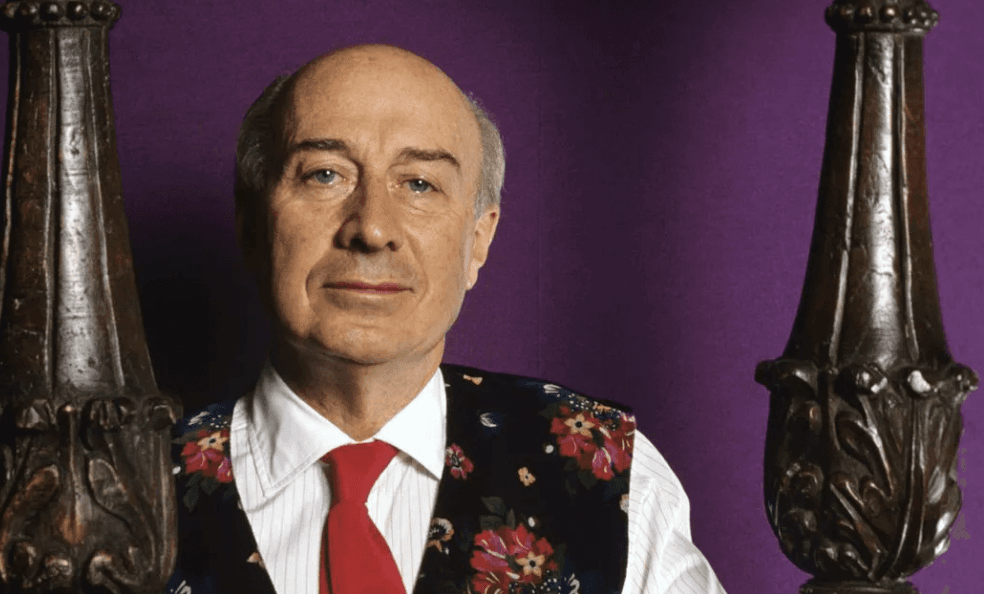
因為他是大兒子的兒子,那我們簡稱大爆。當時的大爆手握了很關鍵的 3% 的股企股份,大家看這個 3%,感覺跟毛毛的 50% 比起來不值一提吧?那只要毛毛掌握就多3%的股份,他就可以有絕對話語權,毛毛和大爆一起合謀,在董事會投票的時候,把 Aldo 給投了出去,由此,毛毛就坐上了董事會主席。
Since he was the eldest son’s son, we’ll refer to him as “Big Pao.” At that time, Big Pao held a crucial 3% of the company’s shares. Looking at this 3%, it might seem insignificant compared to Mao Mao’s 50%, right? However, if Mao Mao could gain just 3% more shares, he would have absolute authority. Mao Mao and Big Pao conspired together, and during a board vote, they pushed Aldo out, which allowed Mao Mao to take the chairman position.
其實大爆並不是一個壞人,他是一個渴望被認同,但是一直被反復利用的一個痴人。大爆本來一直安穩,就在 GUCCI 家族裏面當設計師,但是他為人性格暴躁,幾乎和家族裏面所有的成員都吵過架,其中就包括他自己的父親 Aldo。
In reality, Big Pao wasn’t a bad person. He was someone who craved recognition but was repeatedly exploited by others. Originally, Big Pao led a stable life as a designer within the Gucci family. However, his hot-tempered nature led him to quarrel with nearly every family member, including his own father, Aldo.
大爆也許是遺傳了父親 Aldo 的野心,心裏也是一心想把 GUCCI 這個品牌發揚光大,那個時候就提出了一個建議,將 GUCCI 發放許可證。也就是像我們現在很多企業操作的加盟手法,讓很多人拿 GUCCI 這個品牌名來在世界各地落地開花,從而影響鼓起這個牌子在全球的一個影響力。
Perhaps Big Pao inherited his father Aldo’s ambition, as he too was intent on expanding the Gucci brand. At one point, he suggested issuing licenses for Gucci, similar to the franchise model many companies use today. This would allow many people to use the Gucci brand name to establish a presence worldwide, thereby boosting Gucci’s global influence.
Aldo 認為 GUCCI 是一個家族企業,應該由家族的人來管理,在他的思想裡就是不能讓外人來插手 GUCCI 這個品牌。大爆心想你姓 GUCCI 我也姓 GUCCI,有什麼了不起。
However, Aldo believed that Gucci, as a family business, should be managed exclusively by family members. In his mind, outsiders should have no involvement in the Gucci brand. Big Pao thought, “You’re a Gucci, and so am I—what makes you so special?”
於是大爆就用 GUCCI,售賣自己設計的產品,Aldo 就將兒子炒了魷魚,從 GUCCI 家族企業裡面踢了出去。那我們都知道,大爆是一個又蠢脾氣又暴躁的人,怎麼會受如此污辱?他一轉臉,就像政府舉報了自己的爹,說他將公司的利潤打到海外公司進行逃稅,逃稅金額據說高達七百萬美元。
So Big Pao used the Gucci name to sell his own designs. In response, Aldo fired his son, kicking him out of the Gucci family business. Now, we all know that Big Pao was not only foolish but also hot-tempered—how could he tolerate such an insult? Without hesitation, he turned around and reported his own father to the government, accusing him of funneling company profits to overseas entities to evade taxes. The alleged amount of tax evasion was said to be as high as seven million dollars.
於是 1986 年,大爆一手把自己的爹送進了監獄,當時的 Aldo 已經是 81 歲高齡,就這個歲數,還被自己的親兒子送進監獄,蹲了 1 年,天道好輪回,蒼天饒過誰。大爆晚年實際上也是非常的悽慘,債務纏身,因爲無力支付給妻子高昂的離婚贍養費,他也在晚年被關進過監獄。
In 1986, Big Pao single-handedly sent his own father to prison. At that time, Aldo was already 81 years old. At such an advanced age, he was betrayed and imprisoned by his own son, serving a year behind bars—a true case of karma, as they say, “What goes around comes around.” Big Pao’s later years were equally tragic. Burdened with debt and unable to afford the high alimony demanded by his ex-wife, he, too, ended up in prison during his final years.
最終大爆 64 歲在倫敦鬱鬱離世,大家都可以看到,就像他這種爆裂的性格,讓我們的毛毛在他耳邊稍微吹一吹風,就讓大爆很輕易的就站在了自己輕爹的對立面。
In the end, Big Pao passed away at 64 in London, burdened and defeated. As we can see, with his explosive personality, a little persuasion from Mao Mao was all it took to easily push Big Pao into opposing his own father.
那他吹的是什麼風呢?毛毛跟大爆說你讓我當上主席,就讓你回 GUCCI 工作,就是因爲大爆就看似不起眼的人物的這樣一攪局,就徹底打破了老 GU 留下的這樣一個制衡的局面,本來當上主席的毛毛,他只要遵守諾言,讓大爆回來上班,並且從那手裏買了 3% 的股份,他就可以奪得絕對的話語權。
And what exactly did Mao Mao promise? He told Big Pao that if he helped him become chairman, he would allow him to return to work at Gucci. This seemingly minor figure, Big Pao, stirred up enough trouble to completely shatter the delicate balance that old GU had left behind. Once Mao Mao became chairman, he simply needed to keep his promise, let Big Pao return to work, and buy those crucial 3% of shares from him. By doing so, Mao Mao would gain absolute control.
但是畢竟毛毛也是個 GUCCI,是絕對不會遵守諾言的。但也有可能他是因爲和他的叔叔和爸爸一起看到了,就是大爆身上易燃的性格,覺得他無法在公司裡面成事,就拒絕讓大爆回到公司工作。
However, Mao Mao was, after all, a Gucci, and he was never going to keep his promise. Perhaps he, along with his uncle and father, recognized Big Pao’s volatile personality and saw that he was unlikely to accomplish anything productive within the company. As a result, they refused to let Big Pao return to work at Gucci.
大爆於是立刻上演川劇變臉,翻臉比翻書還快,立刻跳回來父親 Aldo 的陣營,然後又用了同一招和父親聯手披露了毛毛在文件上作假的資料來躲避遺產稅,逼的毛毛逃去瑞士避風頭。
Big Pao did a complete 180, turning on him in the blink of an eye. He immediately switched back to his father Aldo's side and used the exact same trick, teaming up with his father to expose the forged documents Mao Mao used to evade inheritance taxes. This forced Mao-Mao to flee to Switzerland to lay low.
GUCCI 財政危機——股份出售 Investcorp
1987年,把家裏這些掌握住股權的這些人都得罪完。毛毛終於認識到了,家裏人是永遠不會把所謂的股權賣給自己的。於是,他找了第三方來幫自己對付自己人,他在當時要求 Morgan Stanley 幫他找一個第三方投資方來買自己家族成員的股份,那這個第三方就是 Invescorp。大爆將自己 3% 的股份最終是以四千七百萬美元賣給了 Invescorp,本來 Aldo 是絕對不會妥協的,但是可能是吃了 1 年牢飯,已經心灰意冷看開了,雖然百般的不情願,還是把手裏所有的股份都賣給了 Invescorp,失去了生活希望的 Aldo 在兩年之後就鬱鬱寡歡而與世長辭了。
In 1987, after offending all the family members who held shares, Mao Mao finally realized that they would never sell him any of their shares. So, he sought outside help to deal with his own family. He asked Morgan Stanley to find a third-party investor to buy his family members’ shares. That third party turned out to be Investcorp. Big Pao eventually sold his 3% stake to Investcorp for $47 million.Originally, Aldo would never have agreed to such a move, but perhaps after serving a year in prison, he had become disillusioned and resigned. Though he was reluctant, he sold all his shares to Investcorp. Two years later, having lost his will to live, Aldo passed away in sorrow and solitude.
毛毛是否就這樣一帆風順的走下去呢?事實證明,毛毛他雖然接下了 GUCCI,但是並沒有能力,毛毛進行大刀闊斧的對產品線改造。1990 年 GUCCI 終於脫離了 80 年代的品牌形象,擠身爲頭部的時裝品牌。
Did Mao Mao's life simply sail smoothly onward from then on? As it turned out, although Mao Mao took over Gucci, he lacked the competence. He carried out a drastic overhaul of the product lines, and by 1990, Gucci finally shed its 1980s brand image and joined the ranks of top-tier fashion houses.
但是整個 GUCCI 公司還是處在一個叫好不叫座的投資階段,公司還是陷入了財政危機。
However, the entire Gucci company was still stuck in an investment phase where it won critical acclaim but suffered poor sales, and the company plunged into a financial crisis once again.
1993 年他手上的股份終於賣給了 Investcorp,當時售價是一億九千萬美金。但非常諷刺的是,曾經富可敵國的 GUCCI 家族,現在沒有一個人的名字出現在董事會上,72 年的輝煌就這樣慘淡的收場了。
In 1993, he finally sold his shares to Investcorp for $190 million. Ironically, for the once fabulously wealthy Gucci family, not a single person's name remained on the board of directors. Seventy-two years of glory had come to a dismal end.
毛毛這個悲劇式的一生,其實我們可以看到他一直都在追求權利,或者說追求一種可以掌握自己人生的掌控權,奈何他小時候被父親安排長大之後企徒掌舵時尚巨輪,但又翻船,就連自己的死亡也是身不由己。
Looking at Mao Mao's tragic life, we can see that he was constantly in pursuit of power—or rather, a sense of control over his own destiny. Alas, his childhood was orchestrated by his father; after growing up, his attempt to steer the giant ship of fashion ended in it capsizing. Even his own death was beyond his control.
在 1995 年,毛毛就在 GUCCI 公司門口被一個槍手槍殺,當時的毛毛只有 46 歲。這一切的幕後兇手和他究竟有什麼仇?
In 1995, Mao Mao was gunned down by a shooter right at the entrance of the Gucci headquarters. At the time, Mao Mao was only 46 years old. What kind of deep-seated grudge did the mastermind behind all this hold against him?
Maurizio 遭槍殺——GUCCI 家族殞落
(資料來源:oprahdaily.com)
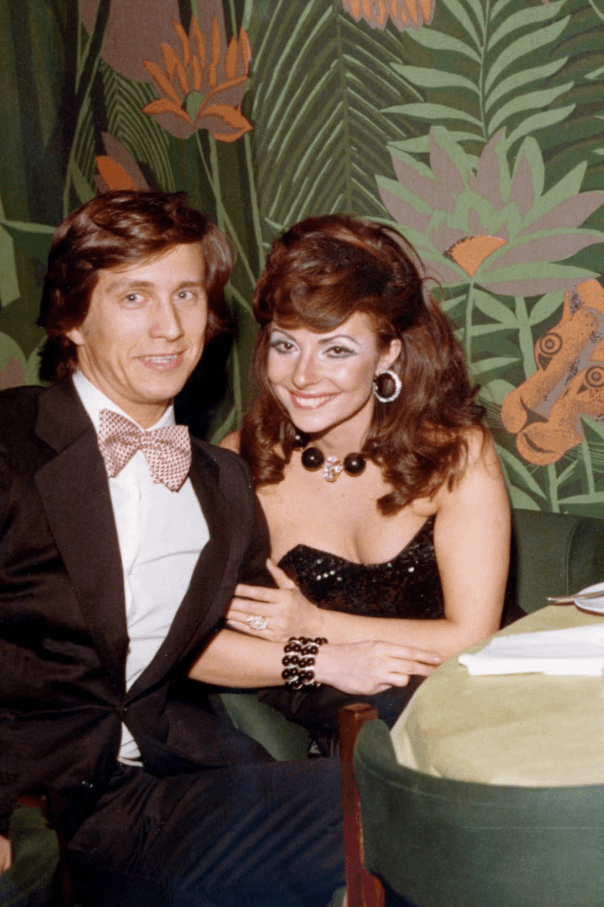
1995 年 3 月 27 日,毛毛在 GUCCI 公司門口被人槍殺,在自家門口被人爆頭,此時他年僅 46 歲。所有的媒體化身名偵探柯南,將懷疑的鏡頭對準了毛毛的前妻 Patrizia Reggiani(派翠西亞雷吉亞尼)。我們在這裡稱她為派姐。
On March 27, 1995, Mao Mao was gunned down outside the GUCCI office and shot in the head right at his own doorstep. He was only 46 years old at the time. The media instantly went full Detective Conan, turning their lenses of suspicion toward Maomao's ex-wife, Patrizia Reggiani. For our story here, we'll just call her Patty.
派姐出生於米蘭近郊的一個小鎮,她的母親是一名服務員,後來嫁給了一位年長許多的男子,並生下了派姐。派姐的父親靠貨運生意發家,把她視為掌上明珠。無論是當時熱門的 iPhone 16,還是疫情期間一機難求的 Switch,派姐的父親都能設法拿到。當有人說 iPhone 16 不好找時,他總是自豪地說:「哪有什麼拿不到的!」
Patty was born in a small town near Milan. Her mother was a waitress who later married a much older man, and together they had Patty. Her father built his wealth through the freight business and treated her like the apple of his eye. Whether it was the popular iPhone 16 or a highly sought-after Nintendo Switch during the pandemic, Patty’s father always found a way to obtain it. When someone said the iPhone 16 was hard to get, he proudly replied, “Is there anything I can’t get?”
年輕的派姐因其美貌和熱情的性格,在米蘭的上流社交圈如魚得水,生活過得豐富多彩。然而,富家子弟的生活往往大同小異,圈子也就那麼大。派姐在一次普世文化的聚會上,遇見了年輕的毛毛。毛毛對她一見鍾情,被她的美貌深深吸引。當時的派姐穿著一襲紅裙,眼神流露著神采,眉目傳情,而她年輕時的容貌又極為神似伊麗莎白·泰勒,帶有一種古典的美感。
As a young woman, Patty's beauty and lively personality helped her navigate Milan's high society with ease, leading a colorful and vibrant life. Yet, the lives of wealthy heirs often felt the same, and the social circle was relatively small. At one cultural event, Patty met the young Mao Mao. Mao Mao fell for her at first sight, captivated by her beauty. At the time, Patty wore a striking red dress, her eyes sparkling, and her expressions enchanting. She bore a striking resemblance to a young Elizabeth Taylor, exuding a classic allure.
毛毛從小被父親嚴加看管,是個性格溫和、略顯內向的男孩。當他遇見派姐這樣熱情洋溢的女子後,內心的火焰瞬間被點燃,深深地被她吸引。他覺得派姐和他過去遇到的所有女性都不一樣,完全不同於那些刻板的貴族女孩。對派姐來說,毛毛不過是一個有點錢的「鄉巴佬」,而且追求者眾多,她並不把他放在眼裡。
Mao Mao, having been strictly raised by his father, was a mild-mannered, somewhat reserved young man. Meeting such an exuberant woman as Patty sparked a flame in him, and he found himself deeply attracted to her. Patty seemed unlike any woman he had ever known, completely different from the stereotypical noble ladies he’d encountered. For Patty, however, Mao Mao was just a wealthy “country boy,” and she had plenty of suitors; she didn’t think much of him.
毛毛見狀不禁大吃一驚,這位女孩的反應和他以往所見的大不相同。隨即,他開始瘋狂地給派姐買各種名貴禮物,希望藉此打動她的心。但派姐一看,心中暗笑:「這個小子難道以為我會被這些奢華的東西收買嗎?」事實上,派姐從不掩飾自己對奢華生活的追求,她曾經說過一句著名的話:「我寧可坐在勞斯萊斯裡面哭,也不願坐在自行車後座上笑。」
Seeing Patty’s indifference, Mao Mao was taken aback—her response was unlike anything he’d experienced before. Determined, he began showering Patty with lavish gifts, hoping to win her over. Patty, however, inwardly scoffed, thinking, “Does this guy think he can buy my affection with luxury?” Patty never hid her love for the finer things in life. She was once famously quoted as saying, “I’d rather cry in a Rolls-Royce than laugh on the back of a bicycle.”
可以說,當時的派姐像一顆耀眼的星星般閃耀,讓毛毛迅速墜入愛河,並開始急於進入婚姻的殿堂。但是毛毛的老爸 Radolf 聽了之後,一百萬個不同意,認為派姐一定是覬覦財產。
You could say that at the time, Patty shone like a brilliant star, making Mao Mao fall quickly in love and become eager to walk down the aisle. However, upon hearing this, Mao Mao's father, Radolf, said absolutely not—a million times over—firmly believing she was only coveting his wealth.
但派姐,她爸爸在毛毛他爸斷絕他經濟來源的時候,還支付了毛毛的學費,支撐他上完了大學,真的是比親爸爸還親啊。
But Patty's father, even more supportive than a real father, paid for Mao Mao’s college tuition when his own father cut him off financially, helping him complete his education.
派姐後來回憶說,她和毛毛當時的愛情就像羅密歐與茱麗葉——家族之間劍拔弩張,但他們卻愛得轟轟烈烈。不過在我看來,這兩人更像《傲慢與偏見》中的人物。當毛毛的父親懷疑派姐的結婚動機時,似乎忘了派姐家族本身也很富有。毛毛的母親是演員,並非什麼名門貴族,但毛毛的父親還是深愛她。因此,他在偏見中堅決反對兩人的婚姻。
Patty later recalled that her love with Mao Mao was like Romeo and Juliet—a fierce, passionate affair amidst feuding families. Yet, in my view, these two resembled the characters from Pride and Prejudice even more. When Mao Mao's father doubted Patty’s motives for marriage, he seemed to forget that Patty’s family was quite wealthy in its own right. Mao Mao's mother was an actress, not from an aristocratic lineage, yet deeply beloved by Mao Mao's father. This prejudice drove Mao Mao's father to firmly oppose their union.
或許是被父親多年來的操控和過度保護激怒,毛毛在1972年10月毅然決定和派姐結婚。Radolfo 聽聞這個消息後氣得暴跳如雷。但隨著毛毛和派姐生下第一個女兒,Radolfo 逐漸心軟,開始接受派姐。他後來表示,能看出派姐真心愛著毛毛。
Perhaps feeling enraged by his father’s years of control and overprotection, Mao Mao decided to marry Patty in October 1972. Upon hearing the news, his father, Rodolfo, flew into a fit of rage. However, with the birth of Mao Mao and Patty’s first daughter, Rodolfo gradually softened and began to accept Patty. He later admitted he could see that Patty truly loved Mao Mao.
在結婚後,毛毛和派姐的生活風光無限。他們年輕、美貌又富有,出入私人島嶼和豪華遊艇,身邊圍繞著名流。然而,隨著1983年魯道夫的去世,毛毛接管了整個 GUCCI 集團,開始與叔叔和兄弟們發生衝突。據派姐回憶,自從毛毛接手 GUCCI 集團後,他的個性大變,逐漸被野心和權力吞噬,不再聽派姐的話。
After their marriage, Mao Mao and Patty led a glamorous life. They were young, beautiful, and wealthy, spending their days on private islands and luxury yachts, surrounded by celebrities. However, with Rodolfo's death in 1983, Mao Mao took over the entire Gucci empire, and conflicts with his uncles and cousins soon erupted. According to Patty, Mao Mao changed dramatically after assuming control of Gucci. Consumed by ambition and power, he stopped listening to her advice.
隨著兩人矛盾的不斷加深,派姐開始頻繁拜訪一位神婆求助,甚至讓神婆住進了家裡。毛毛認為派姐在用黑魔法詛咒自己,更擔心她會帶壞兩個女兒。終於有一天,毛毛收拾行李離家,再也沒有回來,兩人在1984年離婚。
As their relationship grew more strained, Patty began frequently consulting a spiritual medium, even allowing her to move into their home. Mao Mao believed Patty was using dark magic against him and worried she was a negative influence on their two daughters. Finally, one day, Mao Mao packed his bags and left for good, never to return. The two divorced in 1984.
然而,離婚後十年,派姐在談論毛毛時,仍稱他為「我的丈夫」,而非「前夫」。本來兩人離婚後還算和平相處,但隨著 1993 年毛毛決定變賣 GUCCI 股份,派姐的情緒徹底失控。她無法接受毛毛賣掉家族的傳承,認為這斷絕了她與 GUCCI 最後的聯繫。
Yet even ten years after the divorce, Patty continued to refer to Mao Mao as "my husband" rather than "my ex-husband." Although they initially maintained a relatively peaceful relationship post-divorce, Patty’s composure shattered when, in 1993, Mao Mao decided to sell his shares in Gucci. Unable to accept this severing of her last ties to the Gucci legacy, Patty lost all control.
派姐求助於神婆,並指示她找人對付毛毛。最終在 1995 年 3 月 27 日,毛毛在公司門口遭到槍擊身亡。警方經過兩年調查,才找出真相,逮捕了派姐,並發現她在日記裡寫道:「這世上沒有錢買不到的東西。」
She sought the help of the spiritual medium again, instructing her to find someone to "take care" of Mao Mao. On March 27, 1995, Mao Mao was gunned down outside his office. After a two-year investigation, the police uncovered the truth and arrested Patty, discovering a chilling note in her diary: “There is nothing money can’t buy.”
派姐曾說:「我愛毛毛,但更愛 GUCCI 給我帶來的身份認同與虛榮心。」在與 GUCCI 的恩怨糾葛中,她失去了丈夫、女兒、名譽,也失去了自我。GUCCI 家族的悲劇並非一人之過,而是每個人性格中的缺點與無法逃脫的命運共同作用的結果。