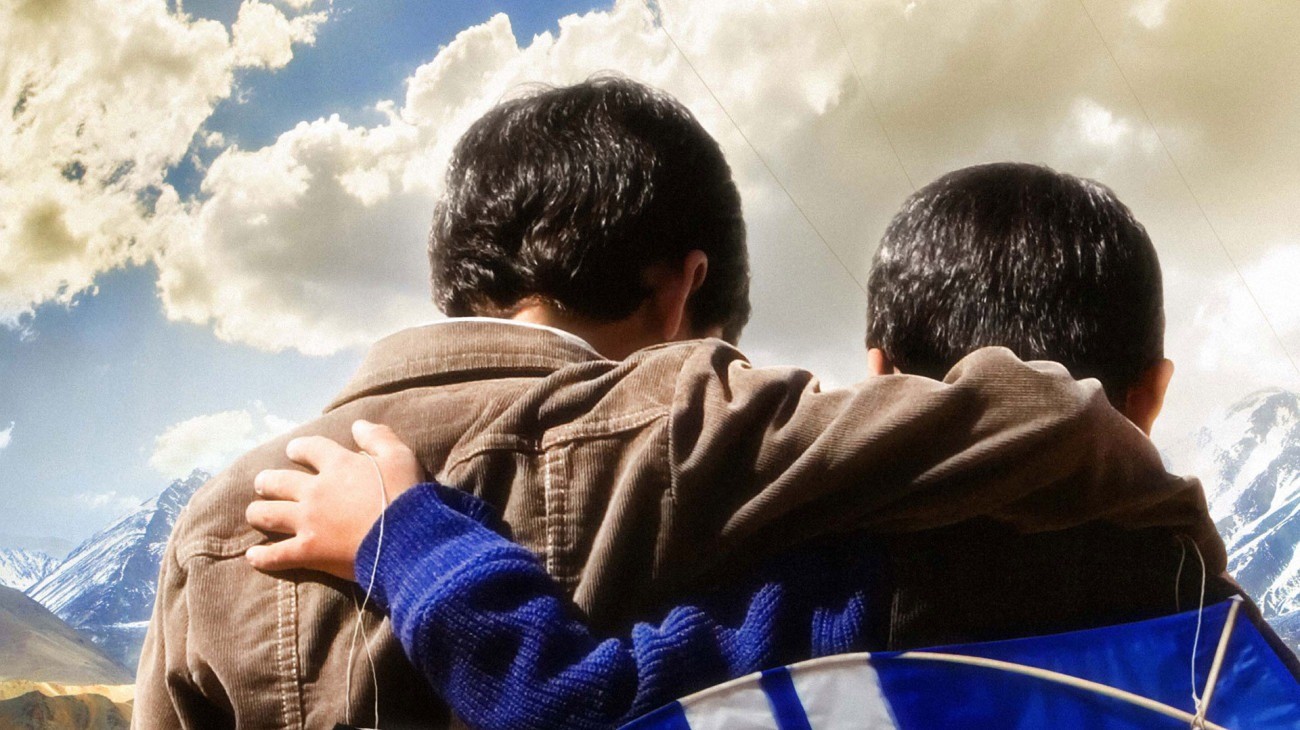
《追風箏的孩子》是卡勒德·胡賽尼(Khaled Hosseini)所著的一部關於愛、背叛、贖罪和成長的小說。故事圍繞在阿富汗的社會背景中,講述了主角阿米爾(Amir)和他的僕人哈桑(Hassan)之間的友誼,並隨著歷史事件發展,展開了一個跨越數十年的感人故事。以下是故事大綱及部分章節重點。
The Kite Runner is a novel by Khaled Hosseini that explores themes of love, betrayal, redemption, and personal growth. Set against the backdrop of Afghanistan’s changing society, it tells the story of Amir, a wealthy boy, and Hassan, his servant, whose friendship is tested by events that span decades. Below is a summary of the novel and key points from some of its chapters.
追風箏的孩子故事大綱
故事從1970年代的阿富汗開始,主角阿米爾和哈桑從小一起長大,阿米爾是富家子弟,而哈桑是他家僕人的兒子。儘管兩人一起玩耍,阿米爾始終感到哈桑身份低賤,心中對他有複雜的情感。阿米爾的父親對哈桑也有特別的照顧,這讓阿米爾心生嫉妒。
The story begins in the 1970s in Afghanistan, where Amir and Hassan grow up together. Amir is the son of a wealthy man, while Hassan is the son of Amir’s servant. Despite their close relationship, Amir harbors complex feelings of superiority over Hassan due to his social status. Amir’s father also shows special care toward Hassan, which fuels Amir’s jealousy.
某次放風箏比賽後,哈桑為阿米爾追風箏,卻在小巷中被霸凌者阿塞夫欺凌。阿米爾目睹了這一幕,但卻選擇逃避,沒有幫助哈桑。這場事件改變了兩人之間的關係,讓阿米爾陷入深深的愧疚之中。
After a kite-flying competition, Hassan runs to retrieve a kite for Amir but is assaulted by Assef, a neighborhood bully. Amir witnesses the attack but chooses not to intervene, an act of cowardice that deeply affects their friendship. Guilt consumes Amir, and the two gradually drift apart.
後來,蘇聯入侵阿富汗,阿米爾和父親逃到了美國,開始了新生活。多年後,阿米爾收到來自阿富汗的消息,得知哈桑已經去世,但他還有一個兒子被困在戰火中的阿富汗。為了贖罪,阿米爾決定返回阿富汗,冒著危險去拯救哈桑的兒子,並最終面對過去的傷痛與錯誤。
With the Soviet invasion of Afghanistan, Amir and his father flee to the United States to start a new life. Years later, Amir receives news that Hassan has died, but he learns that Hassan had a son who is trapped in war-torn Afghanistan. In an attempt to atone for his past, Amir returns to Afghanistan to rescue Hassan’s son and confront the mistakes of his youth.
階級、友誼與那片喀布爾的天空

(資料來源:The Kite Runner)
一九七〇年代的喀布爾,是一座尚未被戰爭撕裂的城市。市集裡飄著烤肉的香氣,孩子們在街頭踢球嬉鬧,而每逢冬日,漫天飛舞的風箏就是這座城市最美麗的語言。卡勒德·胡賽尼的小說《追風箏的孩子》,正是從這片藍天展開,帶領我們走進一段關於友誼、階級與罪咎的漫長旅程。
Kabul in the 1970s was a city not yet torn apart by war. The scent of roasting meat drifted through its bazaars, children kicked balls in the streets, and every winter, kites soaring across the sky became the city's most beautiful language. Khaled Hosseini's novel The Kite Runner opens beneath that same blue sky, drawing us into a long journey about friendship, class, and guilt.
故事的核心是兩個男孩:阿米爾與哈山。表面上,他們是從小一起長大的玩伴,住在同一個院子裡,共享著同一片天空。然而,這份看似親密的關係,從一開始就被一道無形的牆分隔。阿米爾是普什圖人,是阿富汗的主流民族,家境富裕,生活優渥;哈山則是哈扎拉人,在阿富汗社會長期遭受歧視,身份是阿米爾家的僕人之子。他們可以一起玩耍、一起讀故事,但當阿米爾問哈山「你願意為我吃泥土嗎?」,哈山毫不猶豫地回答「願意」——這句話既是忠誠,也是悲哀,揭示了兩人之間根深柢固的不平等。
At the heart of the story are two boys: Amir and Hassan. On the surface, they are childhood companions who grew up together, sharing the same courtyard and the same open sky. Yet this seemingly close relationship was divided from the very beginning by an invisible wall. Amir is a Pashtun — a member of Afghanistan's dominant ethnic group — born into a prosperous household. Hassan is a Hazara, an ethnic group that has long faced discrimination in Afghan society, and he is the son of Amir's family servant. They can play together and share stories, but when Amir asks Hassan, "Would you eat dirt for me?" and Hassan answers without hesitation, "Yes" — that reply is both loyalty and sorrow, laying bare the deep-rooted inequality between them.
胡賽尼的高明之處,在於他從不直接批判這種不平等,而是讓它自然滲透在日常的細節裡。哈山從不稱呼阿米爾的名字,只叫「阿米爾少爺」;阿米爾享受哈山的陪伴,卻在朋友面前羞於承認與他的關係。阿米爾渴望父親的認可,而父親巴巴的英雄形象讓他自慚形穢——他不擅長運動,不像哈山勇敢,他的武器只有文字。這種內心的匱乏感,讓他對哈山的情感變得複雜而矛盾:既依賴,又嫉妒。
Hosseini's brilliance lies in never directly condemning this inequality, but allowing it to seep naturally into the details of daily life. Hassan never addresses Amir by name alone — it is always "Amir agha," a title of deference. Amir enjoys Hassan's company but feels ashamed to acknowledge their friendship in front of others. Amir desperately craves his father Baba's approval, yet Baba's heroic stature makes him feel inadequate — he is no athlete, lacks Hassan's courage, and his only weapon is words. This inner sense of insufficiency makes his feelings toward Hassan complicated and contradictory: dependent, yet envious.
風箏,在這部小說裡從不只是一個玩具。冬季的風箏大賽是喀布爾孩子們最重要的節慶,割斷對手的風箏線是勝利,而「追風箏的人」——負責在風箏落地前搶先撿回——則是一份需要速度、機智與忠誠的使命。哈山天生是最出色的追風箏者,他總能在風箏尚未落地之前,憑直覺預判它的落點,因為他說:「為你,千千萬萬遍。」這句話,是全書最動人的句子,也是最沉重的伏筆。
In this novel, kites are never merely toys. The winter kite tournament is the most important celebration for Kabul's children — cutting a rival's string means victory, while the "kite runner" who sprints to retrieve the fallen kite before anyone else requires speed, cunning, and loyalty. Hassan is a born kite runner, always sensing by instinct where a kite will land before it even touches the ground. It is for this reason that he tells Amir: "For you, a thousand times over." This line is the most moving sentence in the entire novel — and its heaviest foreshadowing.
閱讀前五章,我們需要帶著一個問題進入文本:阿米爾與哈山之間,究竟有沒有真正的友誼?他們分享笑聲、故事與風箏,但他們的關係從根本上就是不對等的——一個是主人,一個是僕人;一個可以選擇,一個只能服從。胡賽尼並不急著給出答案,他讓我們在閱讀中感受那份溫柔與殘忍同時並存的張力,讓我們問自己:在一段不平等的關係裡,愛與利用的界線,究竟在哪裡?這正是文學最深刻的力量——它不告訴你答案,它只是讓你無法迴避問題。
As we read the first five chapters, we should carry one question into the text: was there ever a true friendship between Amir and Hassan? They share laughter, stories, and kites — but their relationship is fundamentally unequal from the start. One can choose; the other can only obey. One is the master; the other, the servant. Hosseini does not rush to offer an answer. Instead, he lets us feel the tension of tenderness and cruelty coexisting, and asks us to examine ourselves: in a relationship defined by inequality, where exactly is the line between love and exploitation? This is the deepest power of literature — it does not give you answers. It simply makes it impossible for you to look away from the questions.
那條巷子——背叛的瞬間

(資料來源:The Kite Runner)
有些傷口,不是別人造成的,而是我們自己親手刻下的。
Some wounds are not inflicted by others. They are carved into us by our own hands.
《追風箏的孩子》最令人窒息的段落,不是戰爭,不是流亡,而是一條普通的巷子,一個普通的冬日下午。阿米爾就站在那條巷子的入口,他看見了發生的一切,然後,他轉身離開了。這個選擇,將成為他此後數十年人生的陰影。
The most suffocating passage in The Kite Runner is not the war, not the exile, but an ordinary alley on an ordinary winter afternoon. Amir stood at the entrance of that alley. He saw everything that happened. And then he turned and walked away. That single choice would cast a shadow over the next several decades of his life.
第六章開始,喀布爾的冬季風箏大賽即將登場。這場比賽對阿米爾意義非凡——他渴望贏得冠軍,不是為了榮譽本身,而是為了父親巴巴那一個肯定的眼神。巴巴是個傳奇式的男人,高大、強壯、慷慨,在鄰里之間備受尊敬。阿米爾從小活在父親的光環之下,始終覺得自己配不上這個父親。他不打架、不勇敢,只愛讀書寫故事——在巴巴眼中,這或許是軟弱的象徵。因此,這場風箏比賽,對阿米爾而言是一次救贖的機會:如果我能贏,父親就會看見我。
Chapter Six opens as Kabul's winter kite tournament approaches. For Amir, the competition carries enormous weight — he wants to win not for glory itself, but for one approving look from his father, Baba. Baba is a legendary figure: tall, strong, generous, respected throughout the neighborhood. Amir has grown up beneath his father's towering presence, always feeling that he does not deserve such a man as his father. He does not fight, he is not brave, and he loves nothing more than reading and writing stories — in Baba's eyes, perhaps the marks of weakness. And so the kite tournament becomes, for Amir, a chance at redemption: if I win, Father will finally see me.
哈山是他最忠實的夥伴。在那個冬日,阿米爾割斷了最後一只對手的風箏,人群歡呼,父親露出驕傲的神情。哈山飛奔出去追那只落下的風箏——那是勝利的象徵,帶回來就是榮耀。他回頭對阿米爾喊了那句話:「為你,千千萬萬遍。」然後消失在街角。
Hassan is his most loyal companion. On that winter day, Amir cuts the string of the last rival kite, the crowd erupts, and Baba's face fills with pride. Hassan sprints off to retrieve the fallen kite — the symbol of victory, the proof of triumph. He turns back to Amir and shouts those words: "For you, a thousand times over." Then he vanishes around a corner.
然而哈山遲遲沒有回來。
But Hassan does not come back.
阿米爾去找他,在一條狹窄的巷子裡,他看見了:哈山被阿塞夫和他的同伴堵住,正面臨暴力的威脅。阿塞夫是個殘忍的惡霸,他對哈扎拉人懷有深刻的種族仇恨,而哈山孤立無援,手裡緊緊握著那只藍色風箏——他不願放手,因為那是他為阿米爾追來的。
Amir goes looking for him, and in a narrow alley, he sees it: Hassan cornered by Assef and his companions, facing violence. Assef is a brutal bully who harbours a deep ethnic hatred for Hazaras. Hassan stands alone and outnumbered, clutching the blue kite tightly in his hands — refusing to let go, because he chased it down for Amir.
阿米爾站在巷子口,看著這一切。他沒有走進去。他沒有呼救。他沒有做任何事。
Amir stands at the entrance to the alley. He watches it all unfold. He does not step forward. He does not call for help. He does nothing.
他告訴自己,他跑走是因為他懦弱;但他內心深處知道,還有另一個更醜陋的念頭——如果他現在出面,他可能會失去那只風箏,失去父親的認可,失去這一切好不容易得來的榮耀。在那一瞬間,阿米爾用哈山的痛苦,換了自己的勝利。
He tells himself he ran because he was a coward. But somewhere beneath that, he knows there is an uglier truth — if he intervenes now, he risks losing the kite, losing Baba's approval, losing everything he has worked so hard to claim. In that moment, Amir trades Hassan's suffering for his own victory.
這是全書最核心的道德時刻。胡賽尼沒有讓阿米爾成為一個純粹的惡人,這正是這部小說的誠實之處——阿米爾不是壞人,他只是一個在恐懼與自私之間做出錯誤選擇的普通人。而這,往往比邪惡更讓人難以原諒,因為我們在他身上,或多或少都能看見自己。
This is the moral center of the entire novel. Hosseini does not make Amir a simple villain — and that is precisely what makes this book so honest. Amir is not evil. He is simply an ordinary person who, caught between fear and selfishness, makes the wrong choice. And that is often harder to forgive than pure wickedness, because somewhere in him, we can recognize ourselves.
然而罪咎感並沒有讓阿米爾變得更好,而是讓他變得更殘忍。他無法面對哈山,因為每次看見他,都像照鏡子一樣映出自己的懦弱。他開始疏遠哈山,對他冷漠,甚至在某個清晨,將自己的手錶和一疊鈔票藏在哈山的床鋪下,然後向父親謊稱是哈山偷竊。這個陷害,是阿米爾罪行的第二層:第一次,他選擇沉默;第二次,他主動傷害一個對他毫無保留的人。
But guilt does not make Amir better. It makes him crueler. He cannot face Hassan, because every glance feels like a mirror reflecting his own cowardice back at him. He grows cold and distant, and then, one morning, he tucks his own watch and a stack of bills beneath Hassan's mattress and tells Baba that Hassan stole them. This act of framing is the second layer of Amir's betrayal: the first time, he chose silence; the second time, he actively wounds someone who has given him everything without reservation.
哈山的反應,是這部小說最令人心碎的段落之一。巴巴問哈山是否偷了東西,哈山沉默片刻,然後說:「是的。」他撒了謊,替阿米爾承擔了罪名——因為他知道真相,也知道阿米爾需要這個謊言。這是哈山最後一次,用自己的尊嚴保護阿米爾。
Hassan's response is one of the most heartbreaking moments in the novel. When Baba asks if he stole the items, Hassan pauses — and then says yes. He lies. He absorbs the blame to protect Amir, because he knows the truth, and he knows that Amir needs this lie. It is the last time Hassan uses his own dignity to shield the boy he loves.
不久後,哈山與父親阿里離開了這個家,再也沒有回來。
Not long after, Hassan and his father Ali leave the household. They never return.
讀完這幾章,我們必須面對一個讓人不舒服的問題:阿米爾的沉默,是懦弱,還是恐懼?這兩者看似相近,卻有本質的差異。恐懼是人的本能,是在危險面前身體的反應;懦弱則是一個選擇,是在明知應該做什麼的情況下,仍然選擇不做。那天在巷子裡,阿米爾並非不知道自己應該做什麼——他只是選擇了不做。這,已經超越了恐懼的範疇。
Having read these chapters, we are forced to confront an uncomfortable question: was Amir's silence cowardice, or fear? The two seem similar, but they are fundamentally different. Fear is instinct — the body's response to danger. Cowardice is a choice — knowing what you should do, and deciding not to do it. In that alley, Amir was not unaware of what was right. He simply chose otherwise. That goes beyond fear.
而沉默,算不算一種背叛?也許更準確的問題是:在一段以「千千萬萬遍」為信念的友誼裡,沉默意味著什麼?哈山願意為阿米爾承受一切,而阿米爾在最關鍵的時刻,連一步都沒有踏出去。背叛不一定需要刀,有時候,只需要一個轉身。
And does silence count as betrayal? Perhaps the more precise question is this: in a friendship built on the belief of "a thousand times over," what does silence mean? Hassan was willing to endure anything for Amir. And at the moment that mattered most, Amir could not take a single step forward. Betrayal does not always require a blade. Sometimes, all it takes is turning away.
最終的救贖
蘇聯入侵阿富汗,阿米爾和父親逃到美國,開始新生活。在美國,阿米爾努力適應新生活,與父親的關係也逐漸改善。阿米爾在美國成為作家,並與索拉雅結婚。
The Soviet invasion begins, forcing Amir and his father to escape to the United States. In America, Amir struggles to adapt but begins to develop a better relationship with his father. Amir becomes a writer in America and marries Soraya.
阿米爾收到老朋友拉辛汗(Rahim Khan)的來信,請求他回到阿富汗,並揭示了一個驚人的秘密——哈桑其實是阿米爾的同父異母兄弟。阿米爾決定回阿富汗,尋找哈桑的兒子索拉博(Sohrab)。
Amir receives a letter from his old friend, Rahim Khan, urging him to return to Afghanistan. Rahim reveals a shocking secret: Hassan is actually Amir’s half-brother. Amir decides to go back to Afghanistan to find Hassan’s son, Sohrab.
阿米爾在回到塔利班統治下的阿富汗後,發現索拉博被阿塞夫控制。在與阿塞夫進行對決,最終成功將索拉博救出。
Amir returns to Taliban-ruled Afghanistan and discovers that Sohrab is being held by Assef. Amir and Assef confront each other in a brutal fight, and Amir manages to rescue Sohrab.
阿米爾將索拉博帶回美國,過程中索拉博遭遇心理創傷,阿米爾努力與他建立關係。故事以阿米爾和索拉博一起放風箏作結,象徵著阿米爾完成了贖罪,也為他和哈桑之間的關係劃上了句號。
Amir brings Sohrab to the U.S., but the boy is deeply traumatized. Amir struggles to connect with him. The story ends with Amir and Sohrab flying a kite together, symbolizing Amir’s redemption and the closure of his past with Hassan.
《追風箏的孩子》通過細膩的筆觸描寫人性的掙扎與救贖,同時也反映了阿富汗的歷史與社會變遷,帶給讀者深刻的情感震撼。
The Kite Runner paints a vivid picture of human struggles for redemption and forgiveness while also reflecting Afghanistan’s historical and societal changes, leaving readers with a profound emotional impact.